
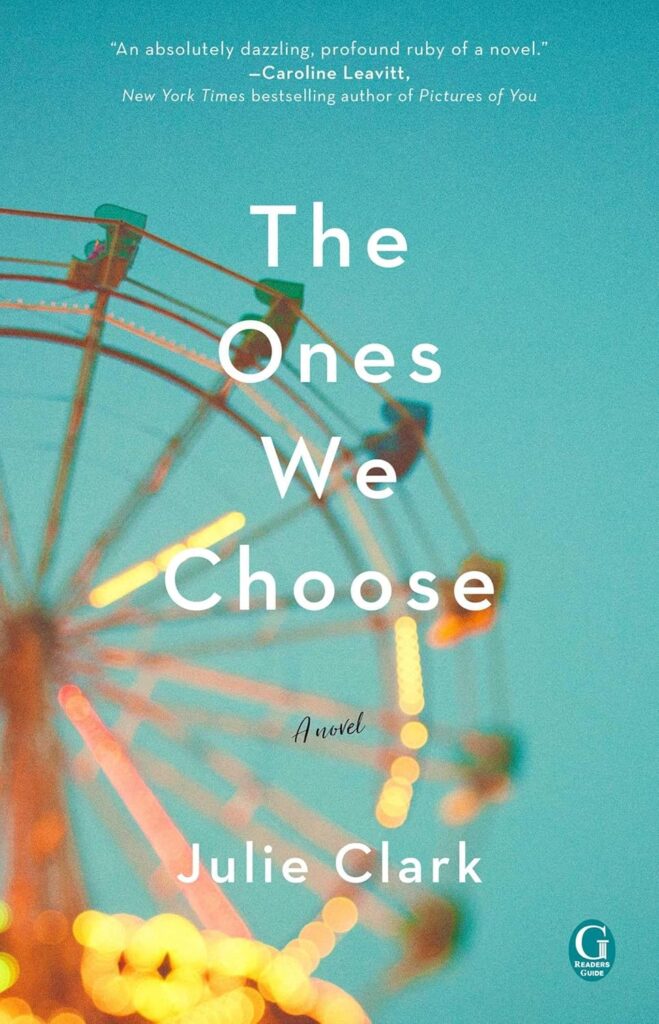
Paige Robson is a geneticist, professionally obsessed with the science of inheritance and, it turns out, personally entangled in it too. She conceived her 8-year-old son Miles using an anonymous sperm donor in the late 2000s. Now she’s navigating a new relationship, her estranged father who has reappeared, and a son whose questions about his biological father she isn’t sure how to answer. Set against the backdrop of Paige’s research on paternal bonding and lectures on biology, the book moves between the mother’s careful management of her family’s story and the quiet, persistent presence of a child who simply wants to understand where he comes from.
DCP Stories Collection
Review
What’s Done Well
- Miles’s curiosity about his origins, his sense of difference, and his need to understand where he comes from are treated as legitimate and important, not as problems to be managed.
- Although limited, the book spends time on characters that represent a broad ecosystem of people connected to a donor conceived person: the recipient parent, grandparents, aunts, cousins, the donor and his relatives.
- Medical history and a donor’s ongoing obligations to update health information are raised, a real issue that directly affects donor-conceived people’s lives.
- The plot device of unexpected contact between the family and the donor mirrors real community experiences of near-miss connections and unexpected proximity that donor conceived people frequently encounter.
What Bothers Us
- Miles’s experience is almosty filtered through his mother’s perception, his inner world remains at arm’s length in a story centered on his curiosity and identity.
- The book leans heavily on the “longing for a father figure” trope; this is a real experience for some donor conceived people, but its dominance here risks flattening the diversity of how donor-conceived people actually feel about their origins and family structures.
- When Paige discovers the donor’s identity, she chooses to conceal it from Miles, and the narrative treats this as a protective instinct rather than examining its costs.
