
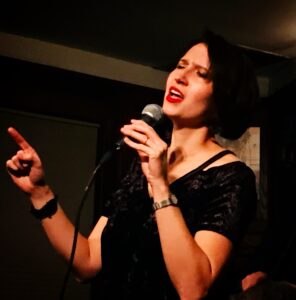
Lanah Koelle’s mother told her she was donor conceived when she was around five or six years old. Her legal father died when she was two, and her mother felt the circumstances of her conception were no longer something that needed to be kept a secret from the children. But knowing and understanding are different things. The language available to her as a child in the 1990s was limited, and she did what children do: she tried to make sense of it with words she already knew. For example, she’d encountered bastard in Les Misérables and King Arthur stories. Was that what this was?
She didn’t meet another donor conceived person outside of her family until she was an adult. She hadn’t known to look, perhaps because growing up donor conception was the kind of thing you kept quiet. In her family, knowledge was compartmentalized. “It was a normal thing to have information that we withheld from other family members,” she says, “which didn’t really feel good.”
Just How We Are
When she finally met her donor conceived siblings as an adult, she felt something she hadn’t anticipated: relief. Not the resolution of a crisis, but the easing of a quiet pressure she hadn’t had words for. Finding her siblings also clarified something she hadn’t seen clearly before. “My childhood had challenges,” she says, “and I’ve wondered how I managed to remain so good-natured and grounded. Now I know that’s just how we are.”
By Day, By Night
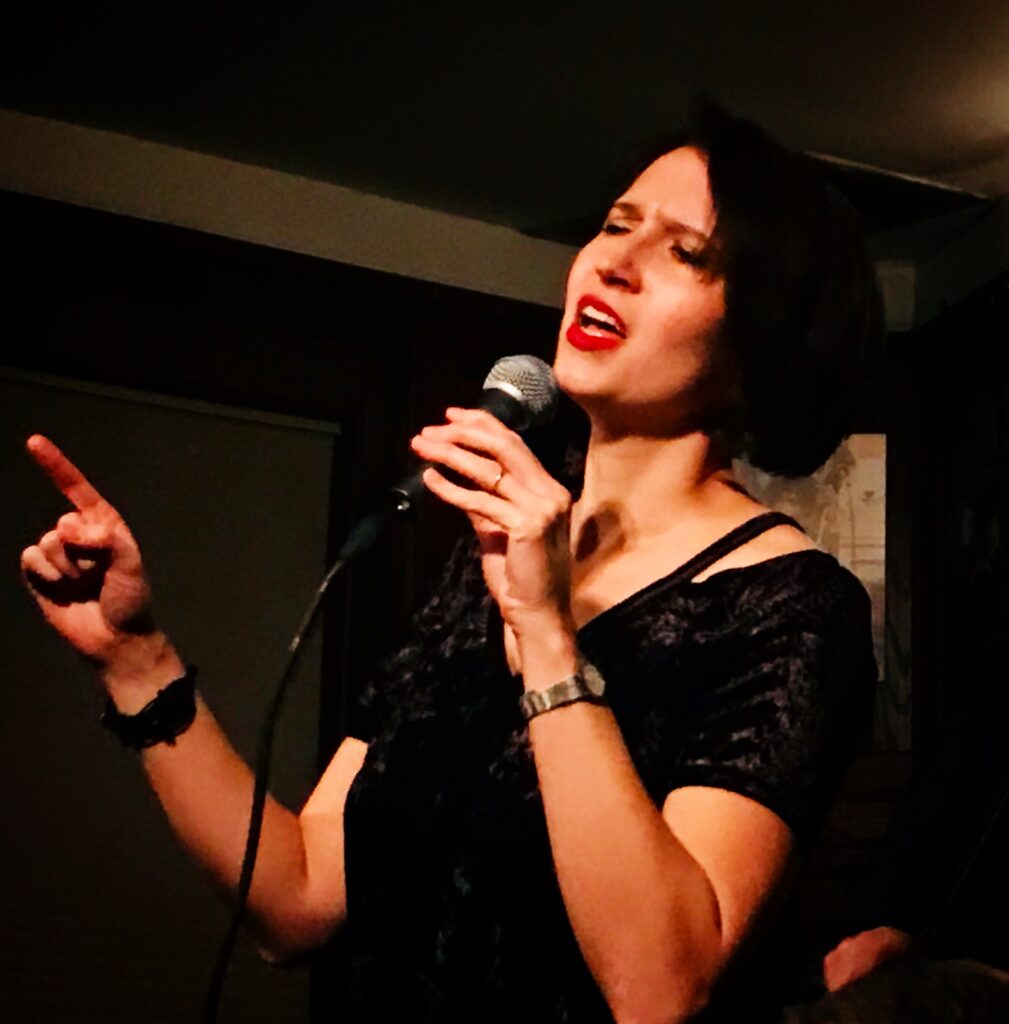
Lanah was born in 1985 and grew up in a Victorian house in Maryland, where she was introduced to performance at an early age. She began participating in community theater at age seven and continued with classical voice training at a magnet high school. After graduate school in library science, she attended a jazz voice workshop in Washington, DC, and fell into a circle of jazz singers. From 2013 onward, she built a repertoire and gained a following. By day, she manages academic records at Georgetown University, and at night, she performs, doing what jazz asks of every singer: taking something and making it her own.
Artists are time travelers, shape shifters, and seers. They encourage us to think, to feel, and to relate to each other. They remind us where we've been and invite us to dream. Art can be a mirror — critiquing our culture — or it can be a portal to another world — moving the culture to new ground.
                                                            - Lanah Koelle
Nothing to Hide Behind
Jazz, it turns out, is a genre designed for finding yourself within something that already exists. You take a song that’s been recorded a hundred times, and you make it your own. The tempo, the feel, and the phrasing are all available to you. There is no correct interpretation of the song. There is only what you can uniquely bring to it, and what you’re willing to reveal.
Lanah’s favorite way to perform is in a duo setting: voice and bass. There’s no arrangement to hide behind. This type of performance requires you to strip a song down to its core, forcing you to turn inward and express what you find there. For someone who grew up keeping part of her story quiet, this state of vulnerability is not a small thing.
Her debut album Straight Up Sassafras (2018) offers interpretations of Cole Porter, Fats Waller, and more. Recorded at Backstreet Studios, the album features musicians Wayne Wilentz, David Jernigan, and Keith Butler, Jr. You can catch her jazz performances live in the Washington, DC, area.
Her second album, Home Recordings (2026), marks a significant departure from her typical style. Prompted by a brotherly challenge to expand her repertoire, the album brings together minimalist and experimental arrangements of rock and pop songs recorded in her living room over three years.
You can learn more about Lanah and find out how to catch her live at lanahkoelle.com.
Parts of Me exists to expand authentic representation of donor-conceived people across arts, media, and culture.
- Browse our DCP Stories Collection to discover existing authentic donor conceived representation
- Meet Donor-Conceived Creators whose works are shifting narratives
- Access our Media Guidance if you’re creating or reporting on donor conception
- Learn about Creator Fellowships (launching Year 2)
