
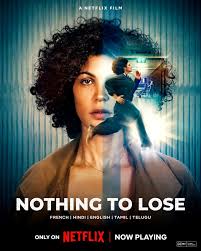
In this 2026 French film, Jada (Nawell Madani), a boxing coach and chef, and her husband Paul (Guillaume Gouix) spend years trying to conceive. Spontaneous conception fails; so does IVF. They choose embryo donation, and Noa is born. By the time he’s a child, Jada and Paul have separated, with Jada raising Noa alongside her mother. When Noa is around ten, he is diagnosed with a rare, aggressive form of leukemia that doesn’t respond to chemotherapy. He needs a bone marrow transplant. The family seeks out a full sibling as a compatible donor, but the other recipient family will not come forward, citing their desire for anonymity. With no legal mechanism to compel them and Noa’s prognosis worsening, Jada takes the pediatric oncology ward of the hospital hostage, demanding that the donor family act. The film ends with a call to action supporting pediatric cancer care.
DCP Stories Collection
Review
What This Work Does Well
- The film introduces the fact of Noa’s conception matter-of-factly, as one detail in a longer story about a family trying to form.
- Donor-conceived people can face barriers to accessing health information. In the film, the bone marrow match turns out to be Noa’s genetic sibling, another child born from the same embryo donation, whose family has chosen anonymity. The film illuminates the concept of genetic siblings through donor conception and the real-world cases where DCP face consequences related to their conception.
- After Noa’s diagnosis, Paul suggests they now need to tell Noa the truth about his conception to explain why finding a bone marrow donor will be difficult. Jada reveals she already had that conversation with him long ago. The scene illustrates a real conflict: parents sometimes disagree about when and whether to tell.
What Bothers Us
- The film isn’t really about being donor-conceived. Noa’s DC status is setup, not subject. The film’s emotional and narrative center is pediatric cancer, the French healthcare system, and a mother’s willingness to break the law. We never hear what Noa thinks.
- The other recipient family’s desire for privacy is framed as villainous or at least unconscionable. That framing may be understandable given the stakes, but it doesn’t give the audience tools to think about how donor anonymity policies create this situation in the first place.
- The crisis breaks when the other child — Noa’s genetic sibling, born from the same embryo donation — tells both sets of parents that he wants to help. The film presents this as a cathartic moment, but it doesn’t stop to reckon with what just happened: this child found out he has a genetic sibling in the middle of a hostage situation.
